
Detailed technical analysis of the Darkmatter ecosystem, including its architecture and risk-mitigation protocols...
Darkmatter Market Explained: Structure, Technology and Risk
Why does the term “Darkmatter Market” keep appearing in threat reports, forums and search? This single-page research dossier answers it in three layers: what it is, how cryptomarkets function, and where the model is heading — written for analysts, journalists, students and the simply curious.
01 — The Overview: definition, taxonomy, why it matters
02 — The Mechanics: Tor, PGP, escrow, liquidity, moderation
03 — The Edge: scams, takedowns, forecast 2026–2028
04 — FAQ, glossary, methodology
Disclosure: This is a defensive research publication. It does not endorse, facilitate or provide access to illicit activity. If you are conducting formal research, work with your institution’s ethics and legal office.
img/darknet darkmatter.pngWhat Is Darkmatter Market? A Clear Definition for 2026
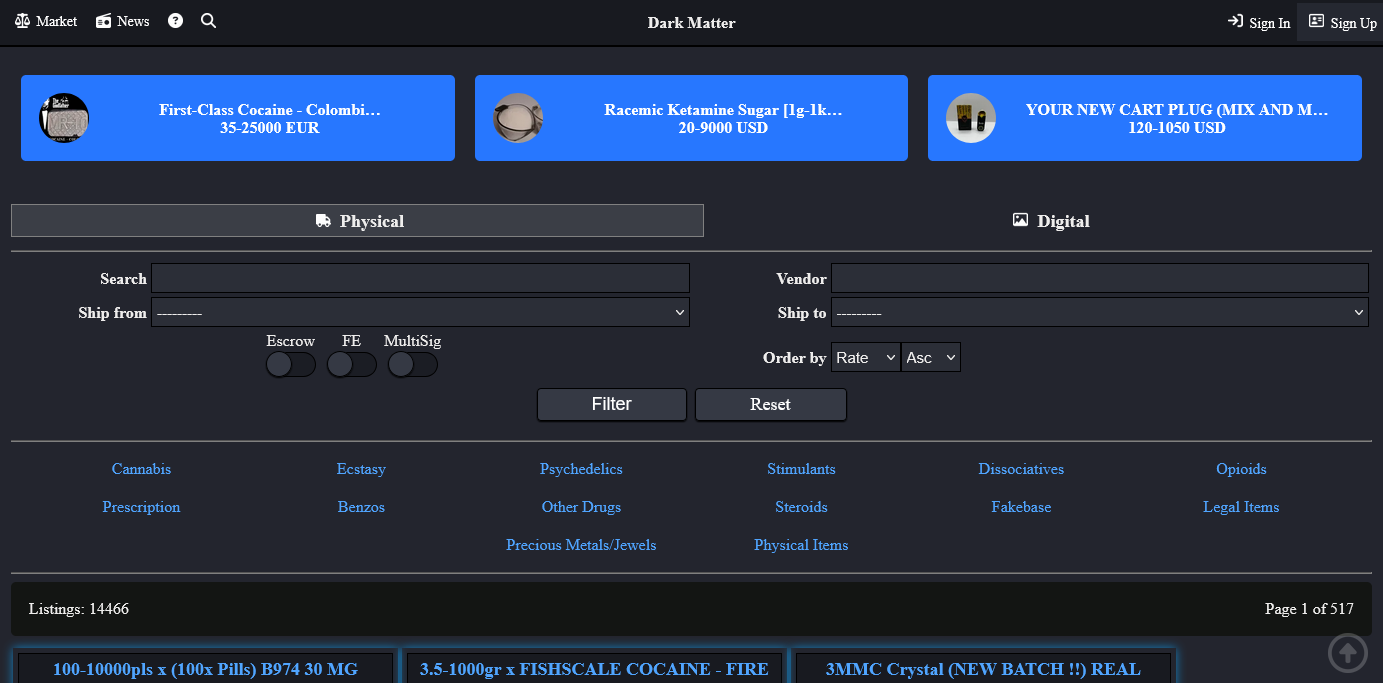
Darkmatter Market is best understood not as a single site, but as a label used across OSINT sources to describe Tor-based cryptomarkets with a familiar playbook: pseudonymous accounts, cryptocurrency escrow, reputation scores and forum-mediated dispute resolution. When analysts say “Darkmatter Market,” they usually mean this type — its history, clones, phishing copies and the discourse around it.
darkmatter marketdarknet marketcryptomarketonion marketOSINT
Why this matters — the “why it’s important” in one paragraph
Cryptomarkets are a natural experiment in trust without identity. They show how strangers transact under adversarial conditions (scammers, law enforcement, volatile currency) using cryptography and game theory instead of courts and banks. Studying that design — even purely defensively — teaches lessons for cybersecurity, fraud detection, platform governance and cryptocurrency forensics. That is why universities, CERTs and journalists maintain explainers like this one.
Taxonomy: where Darkmatter fits
| Layer | Example | What researchers study |
|---|---|---|
| Clearnet discourse | News, wikis, threat reports | Naming collisions, phishing lures |
| Tor hidden services | Market front-ends (.onion) | Uptime, mirrors, takedowns |
| Trust substrate | PGP, multisig, escrow | Fraud resilience, key rotation |
| Social layer | Forums, reviews, moderators | Reputation inflation, sybil attacks |
img/darkmatter darknet.jpgBrief history of the cryptomarket model (2011–2026)
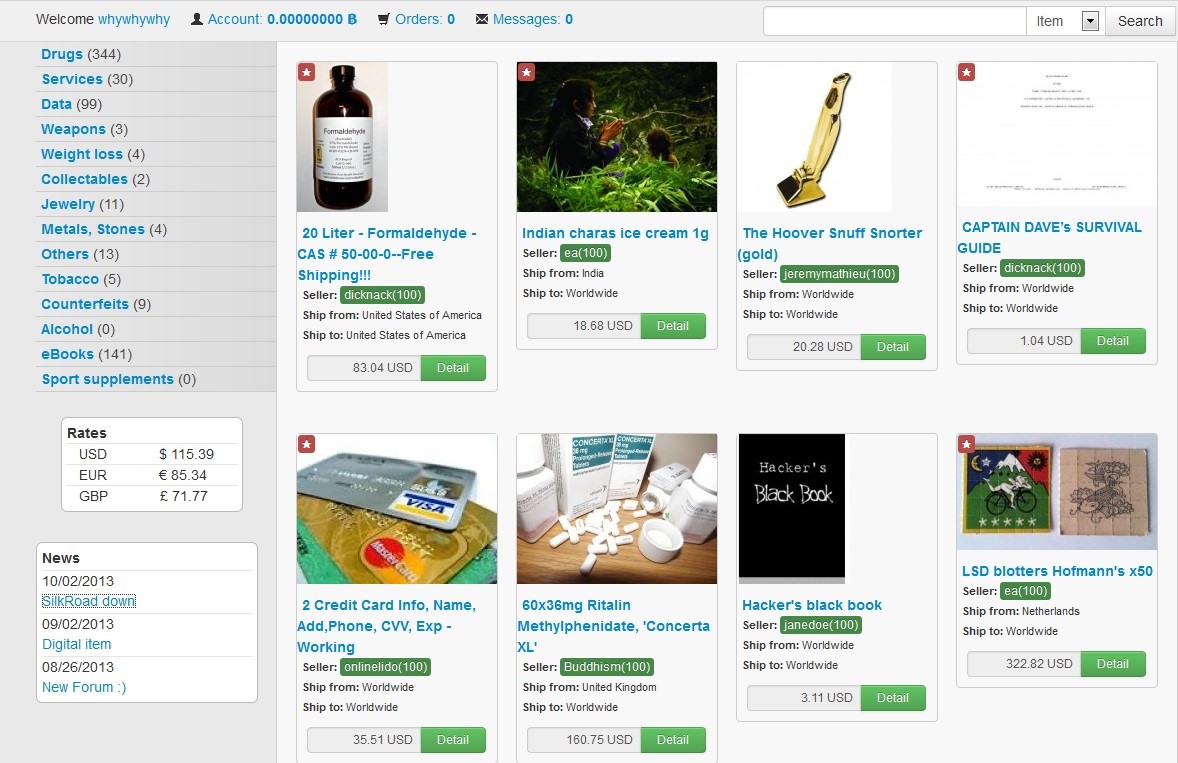
- 2011–2013 — Proof of concept: early Tor + Bitcoin bazaars prove escrow + reviews can sustain remote trade.
- 2014–2017 — Professionalization: PGP-mandated identities, multisig experiments, forum cross-verification, “finalize early” debates.
- 2018–2021 — Fragmentation: DDOS extortion, phishing epidemics, rapid market churn; average lifespan drops to months.
- 2022–2026 — Low-trust equilibrium: smaller, invite-gated communities, stablecoin / Monero shifts, Telegram / decentralized complements — and far more impersonation scams using recycled names like “Darkmatter.”
img/market darkmatter url.pngHow Darknet Markets Work: Cryptography, Escrow and Liquidity
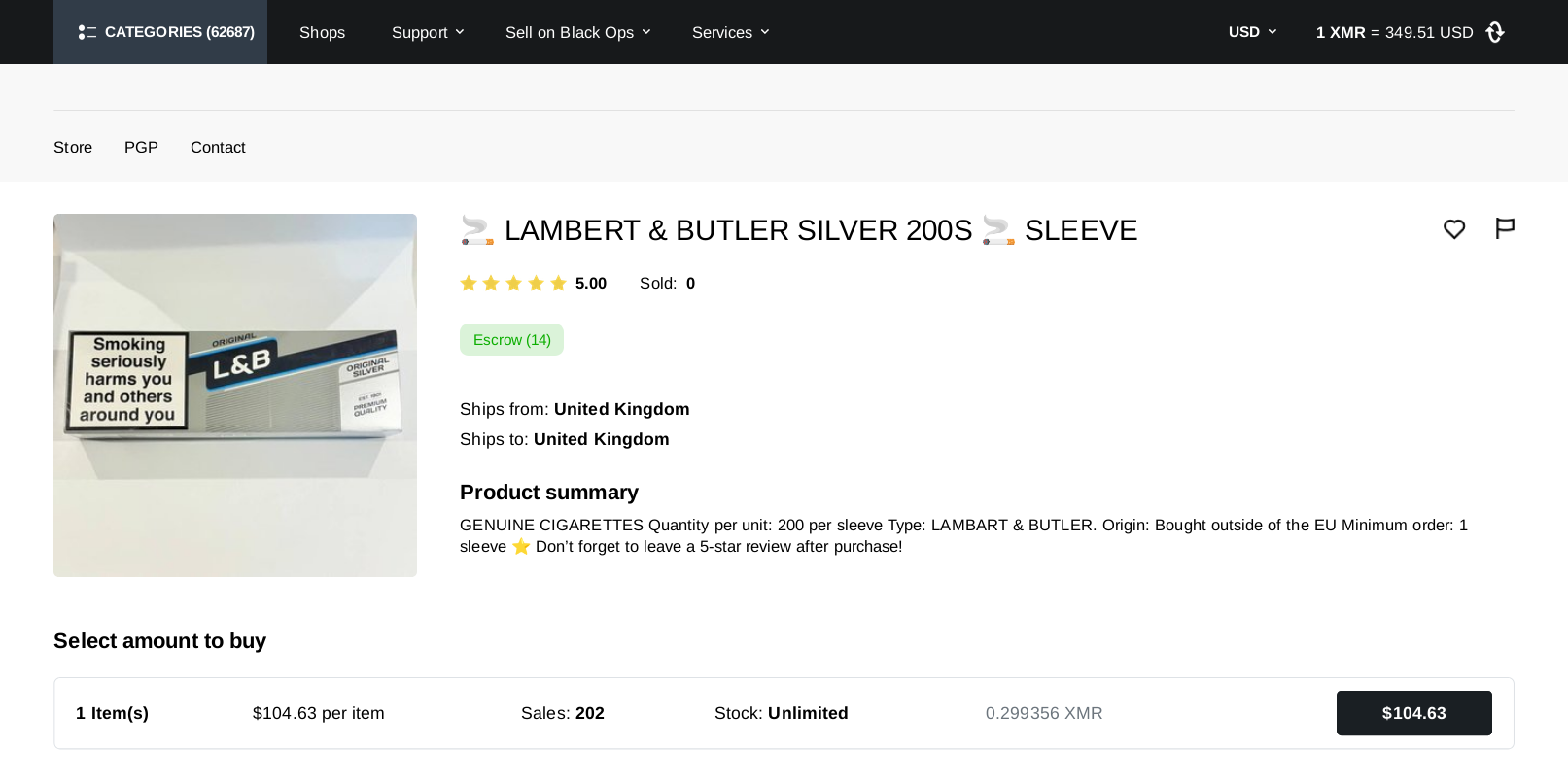
This is a conceptual breakdown for defenders. It explains incentives and primitives — not operational steps. No setup guides, no configuration advice, no links.
1. Anonymity substrate: Tor hidden services
Markets historically run as Tor onion services to hide server location and to give users network-level pseudonymity. From a research view, what matters is not “how to connect” but the consequences: high latency, frequent DDoS, reliance on mirrors — which in turn creates the phishing problem. Defenders monitor mirror dynamics to track campaigns, not to access them.
2. Identity without ID: PGP
Pretty Good Privacy (PGP) lets vendors sign messages to prove continuity across mirrors and rotations. Researchers verify historical PGP keys to distinguish genuine migration from impersonation. The core lesson: in low-trust systems, keys are identities — loss or reuse of keys is a leading indicator of compromise.

img/darknet darkmatter onion.png3. Money and trust: escrow, multisig, “finalize early”
| Mechanism | Idea in plain English | Failure mode researchers observe |
|---|---|---|
| Central escrow | Market holds coins until buyer confirms | Exit scam — operator vanishes with float |
| Multisig escrow | 2-of-3 keys (buyer / vendor / arbiter) | Poor UX, key loss, arbiter collusion |
| Finalize Early (FE) | Buyer releases before delivery (for “trusted” vendors) | Rug pull; coercion; selective scamming |
| Direct pay + reviews | No custody, reputation only | Sybil reviews, extortion |
No design fully solves the custodial dilemma: whoever holds funds can steal them; whoever doesn’t hold them can’t guarantee them. That unsolved tension explains the short lifecycle of most markets.
4. Liquidity: why markets live or die
Liquidity here means enough active buyers + vendors that search, price discovery and dispute resolution feel “worth it.” Cold-start is brutal: vendors won’t list without buyers; buyers won’t deposit without vendors. Tactics observed historically include zero-fee onboarding, vendor bonds (refundable deposits to deter sybils), and forum seeding. Bonds are double-edged — they deter spam but become loot in exit scams.
5. Governance: moderators, forums, oracles
- Reputation: star ratings + textual reviews, vulnerable to bribery and retaliation.
- Disputes: moderators act as arbiters; inconsistent rulings erode trust faster than downtime.
- Oracles: dread-style forums and PGP directories serve as external memory — which is exactly why attackers target them with disinformation.
Risks, Takedowns and Forecast: Where This Model Goes Next
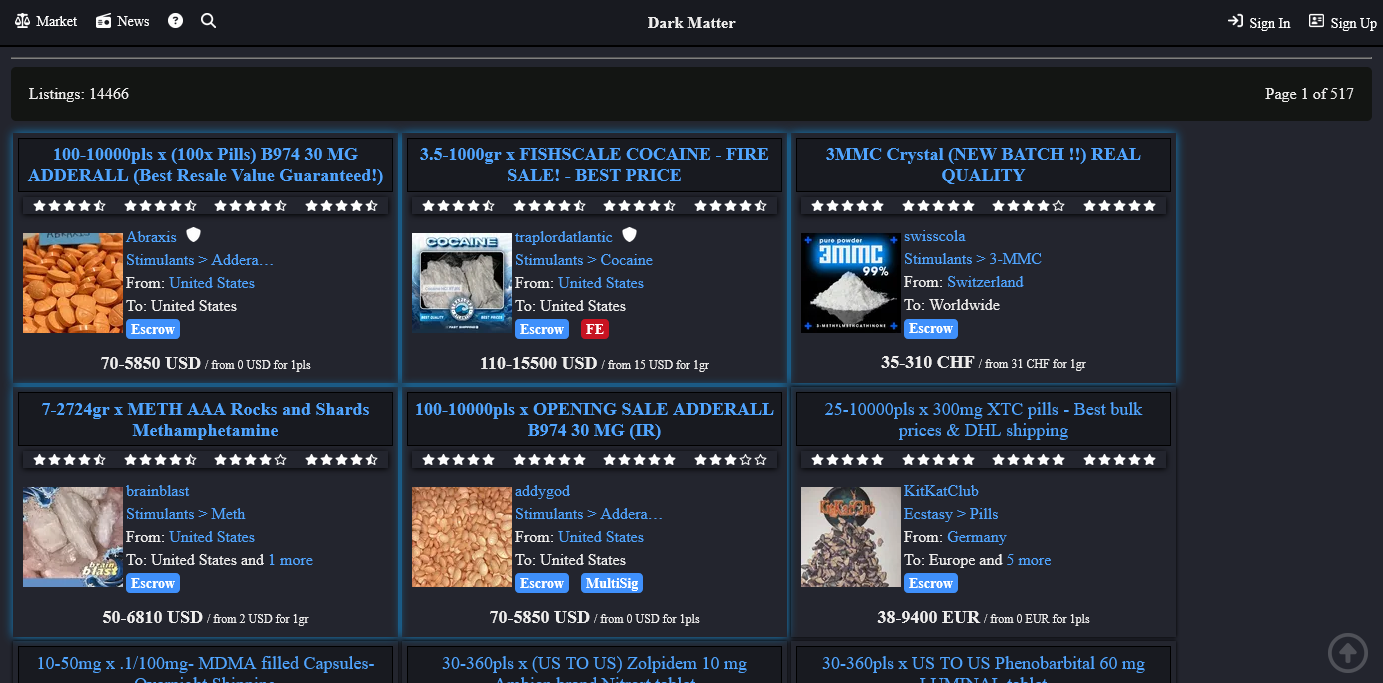
Authority comes from honesty about downside. The dominant outcome for any market using this playbook is failure — by scam, seizure or attrition. Plan your mental model around that base rate.
img/rugs darkmatter market.pngRisk matrix (what actually harms people)
| Risk | Who it hits | Signal |
|---|---|---|
| Phishing mirrors | Buyers, researchers | SEO “official link” lists, urgent rotations, IDN homographs |
| Exit scam / rug | Vendors + buyers with escrow balance | Withdrawal delays, bonus deposit promos, moderator silence |
| Law-enforcement operation | Operators, vendors | History shows coordinated seizures + data reuse for follow-on arrests |
| Violence / extortion | Participants | Doxxing, “FE or else” coercion |
| Malware / deanonymization | Careless users | Fake downloadables, JS / document leaks, OPSEC reuse |
Forecast 2026–2028: three scenarios
- 1. Continued fragmentation (60%): no dominant market; short-lived, invite-only shops; more fraud using recycled brands like “Darkmatter.” Defenders win by tracking PGP continuity, not domains.
- 2. Federated / decentralized experiments (25%): escrow via smart contracts, Nostr/SimpleX coordination. Better censorship resistance, worse UX and dispute resolution — niche persistence.
- 3. Deterrence-heavy contraction (15%): improved blockchain forensics + coordinated takedowns raise operator costs; activity migrates to clearnet-adjacent fraud (phishing-as-a-service) rather than classic bazaars.
What to do instead — legal paths to the same curiosity
- Study cryptography for good: PGP, Tor, Bitcoin/Monero forensics — via university labs and CTFs.
- Learn OSINT safely: Google dorks, certificate transparency, Wayback, threat-feed analysis — no contact with criminal infrastructure.
- Build defensive skills: fraud detection, trust & safety engineering, blockchain analytics — all hire for exactly this knowledge, legally.
FAQ
What is Darkmatter Market?
How do darknet markets work?
Why do markets disappear so often?
Is simply reading about this illegal?
Do you provide a Darkmatter Market link or mirror?
Glossary
Cryptomarket / darknet market — online bazaar operating over anonymity networks with cryptocurrency settlement. OPSEC — operational security practices. Escrow — third-party custody pending fulfillment. Rug / exit scam — operator or vendor disappearance with funds. Sybil — fake-identity attack on reputation systems.
Methodology & sources
Desk synthesis of peer-reviewed cryptomarket literature (2013–2025), EUDA/Europol threat assessments, DOJ seizure affidavits (public), and historical PGP-mirror analyses. No live hidden-service contact was made for this explainer. Last reviewed September 3, 2026.