
Is Darkmatter Market Legit or Down? Trust & Status Check
Short answer used by analysts: there is no single verifiable “Darkmatter Market” to declare legit or down. The name is reused by clones, phishing mirrors and forum lore. This page explains how professionals assess status claims — without ever visiting hidden services — and how to spot the review and mirror fraud built around names like this.
1. Analyst verdict · 2. Why “legit or scam?” is the wrong question · 3. Status signals analysts actually use · 4. Review fraud field guide · 5. 5 scam patterns using this brand · 6. If you were scammed · 7. FAQ
Related: Main overview (3 modules) · Mechanics encyclopedia · Risks & forecast
Analyst Verdict for 2026
Genuine cryptomarkets rotate addresses, enforce PGP and avoid clearnet SEO. Phishing operations do the opposite: they SEO-poison the exact queries “darkmatter market url / onion / login / official link” and buy ads. That inversion is the single most useful heuristic in this space.
What “down” usually means
Exit scam, server seizure, DDoS-for-ransom, hosting failure, or — most commonly — the mirror you found was never real. Without PGP continuity from a historically known key, “we moved here” announcements prove nothing.
What “legit” would require
A continuous, independently verifiable PGP chain + durable forum arbitration + withdrawals that survive stress. Almost no market using a recycled hype name meets this bar for long. Median lifespan across the ecosystem is months.
Why “Legit or Scam?” Is the Wrong Question
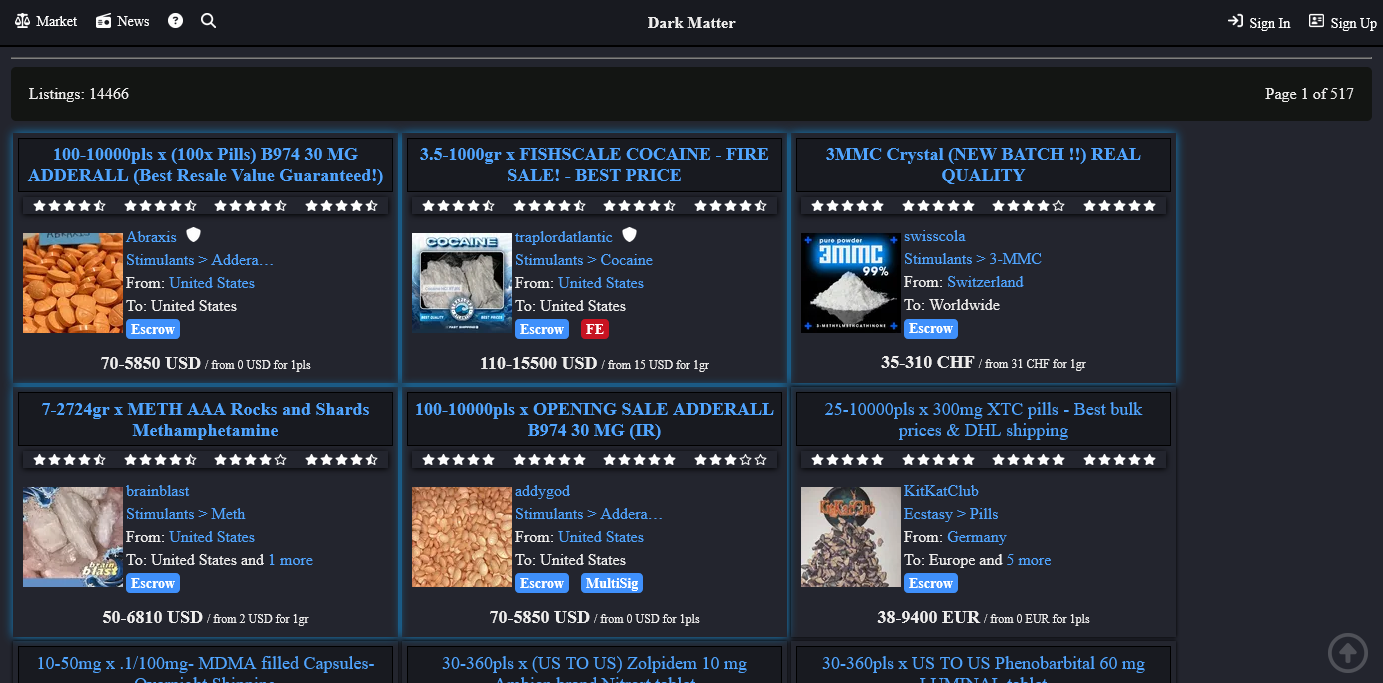
Search engines collapse many distinct entities into one brand: the historical concept, live clones, dead mirrors, forum gossip, and deliberate impersonations. Reviews inherit the same collision — five-star “reviews” may describe five different sites. Analysts therefore reframe the question from “is it legit?” to “which key, which mirror, verified by whom, since when?” If none of those have answers, there is nothing to trust.
| Claim you see | What it likely is | Safe response |
|---|---|---|
| “Official Darkmatter URL 2026” | SEO phishing list | Do not click; treat domain as hostile indicator |
| “Market is back after seizure” | Clone capitalizing on notoriety | Demand historic PGP proof — scammers can’t provide it |
| “Vendor reviews prove payout” | Sybil / paid content | Cross-check dates, language reuse, account age |
| “Support DM for login help” | Credential theft | Markets never do support via DM/ads |
Status Signals Analysts Actually Use (Without Visiting)
- PGP continuity: same long-lived vendor/admin keys signing new messages. Break = red flag.
- Forum triangulation: independent moderated communities agreeing — not one blog + ten copies.
- Forensic consistency: withdrawal patterns, fee addresses and code fingerprints persisting across claimed migrations.
- Churn rate: dozens of “new official mirrors” per week = phishing campaign, not resilience.
- Court / CERT records: seizures appear in DOJ/Europol releases, not Telegram forwards.
Review Fraud Field Guide: How Fake Trust Is Manufactured
Red flags in reviews
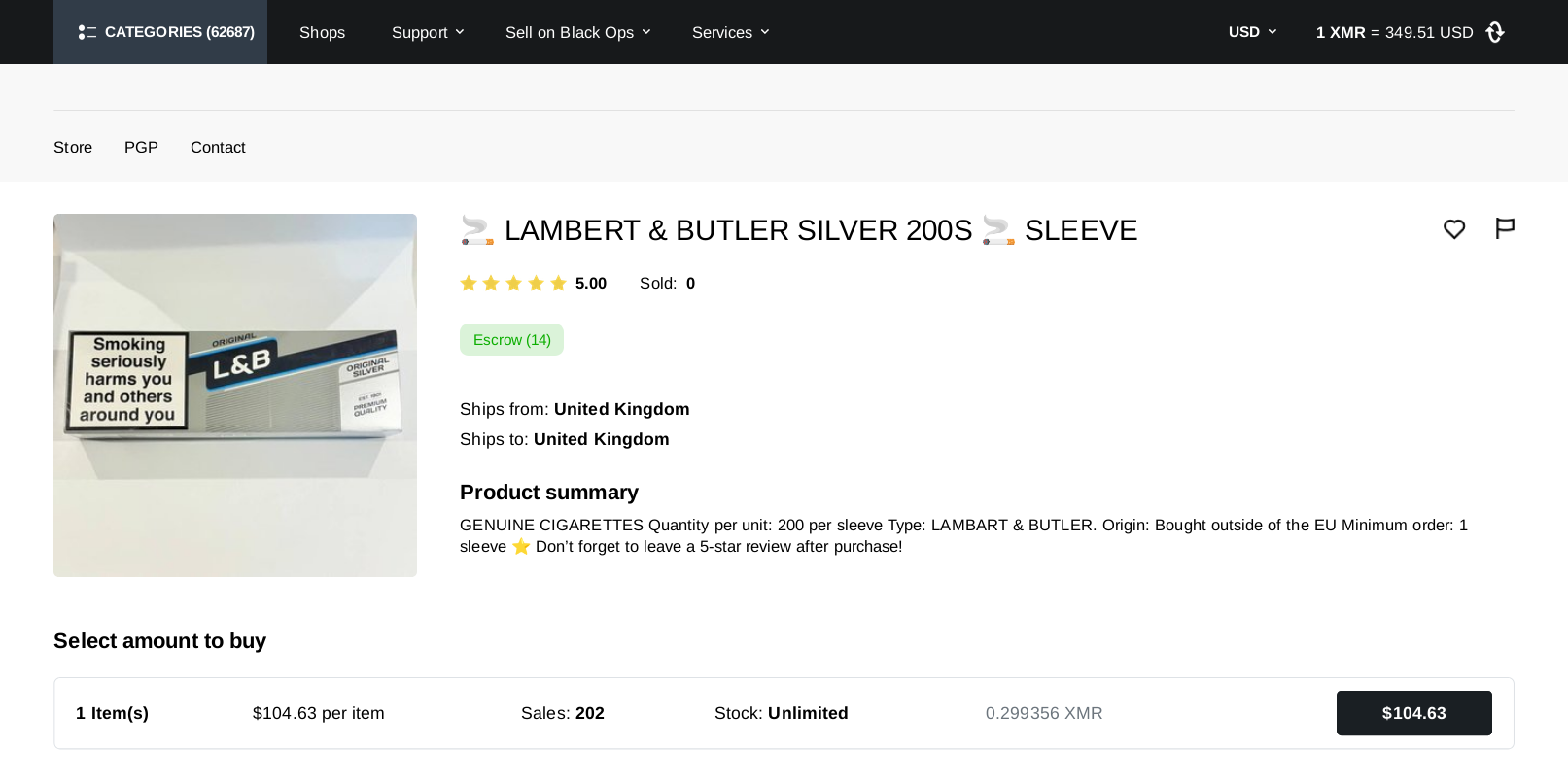
- Identical phrasing across “independent” sites
- All 5-star, no dispute or withdrawal detail
- Fresh accounts praising FE (finalize early)
- Urgency (“deposit bonus ends tonight”)
- Comments disabled, no PGP evidence
What real due diligence looks like
- Signed PGP statements, verifiable with public keys
- Long account histories with disputes — not perfection
- Consistent fee/withdrawal mechanics over time
- Corroboration across hostile sources (forums that ban ads)
For background on why reputation fails here, see Mechanics Encyclopedia: reputation & escrow and Main guide Module 02.
5 Scam Patterns Reusing the Darkmatter Name
| # | Pattern | Tell |
|---|---|---|
| 1 | SEO mirror farms (“official link 2026”) | Keyword-stuffed domains, rotating URLs, ad spend |
| 2 | Deposit-bonus rugs | “Double your escrow” promos before withdrawal freeze |
| 3 | Support impersonation | DMs asking seed / password / “sync fee” |
| 4 | Vendor-bond harvesting | Low-effort onboarding, then bond + escrow vanish |
| 5 | “Seizure comeback” clones | No historic PGP, fresh keys, paid press |
If You Were Scammed: Practical Steps
- Stop deposits immediately; preserve URLs, addresses, transaction hashes, screenshots with timestamps.
- Report to national cybercrime portal + exchange (if funds touched a custodial exchange) with hashes.
- Assume identity compromise: rotate passwords, enable hardware 2FA, check for malware.
- Do not pay “recovery agents” — that is a second fraud layer.
- For researchers: log indicators (domains, PGP impostors, wallet clusters) for blocklists.
Full risk model: Main guide Module 03 — Risks & forecast.